Karen Chadwick’s teenage sons were in the middle of revising for their A-levels when their landlord told the family they had two months to leave.
The social worker, who is affected by asthma, had reported damp and mould to the letting agents before receiving the eviction notice that caused the family to uproot their lives.
“It was the worst possible timing for my twins,” said Karen. “They were just about to take their exams. It was obviously a very difficult time for all of us.”
The mum-of-two had started renting privately in Sudbrook, Monmouthshire, following the end of a relationship around 2012.
She said: “I didn’t really know about access to social housing, so I went down the private renting route and kind of got stuck there.
“At first it was fine, but things gradually got harder. The property was well maintained initially, but as time went on, problems started appearing.”
Karen recalled “struggling” as her family experienced more problems with damp and disrepair. They went away for a weekend following a visit from a plumber regarding a leak in the bathroom.
“We came back to find a hole in the ceiling,” she explained. “That hole was there for nearly 12 months before the landlord actually put their hand in their pocket to fix it.
Read more: 94,000 households in Wales – that’s one in every 14 – are stuck waiting for a social home
“I have asthma and the damp was so bad, it was affecting my health. I kept raising it with the letting agents and threatened to get Environmental Health involved.”
After six years in the property, Karen was given a two-month notice from her landlord in 2018 and had to make rushed plans to uproot her family and find a new home.
Wanting more security for her children, she joined the housing register and started bidding. Although her application was judged as high priority, eight weeks was not enough time.
“My twins were just about to take their A-levels,” she said. One of them didn’t get the grades he was predicted, which has had knock-on effects for his future.”
With the circumstances taking their toll on her mental and physical health, Karen managed to find a three-bed house nearby and carried on renting privately.
“It was very small, but I didn’t have a choice,” she said. “We were back in the same situation again. At first, things were OK, then as time went by, more problems with damp and mould.”
When Karen reported the problems, the landlord gave her a six-month notice, leaving the family – once again – fearing for their future.
Six years after she first applied for a social home, Karen finally received a call from the housing association to confirm she had been shortlisted and inviting her to view a house.
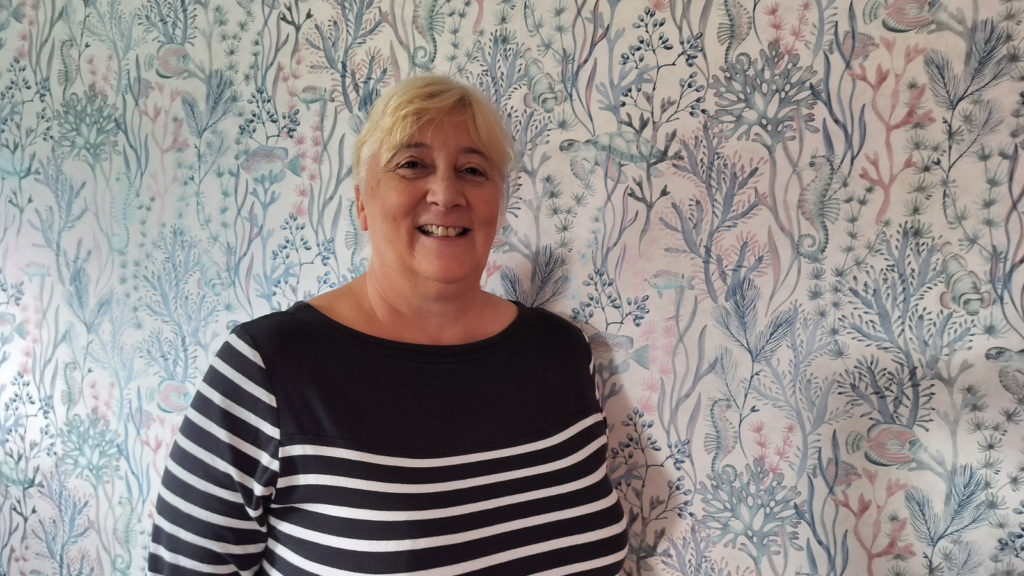
“The waiting and insecurity affects every part of your life,” she said. “When I finally got that call, I was overjoyed. The day I got the keys – I’d rank it up there with one of the best days of my life.”
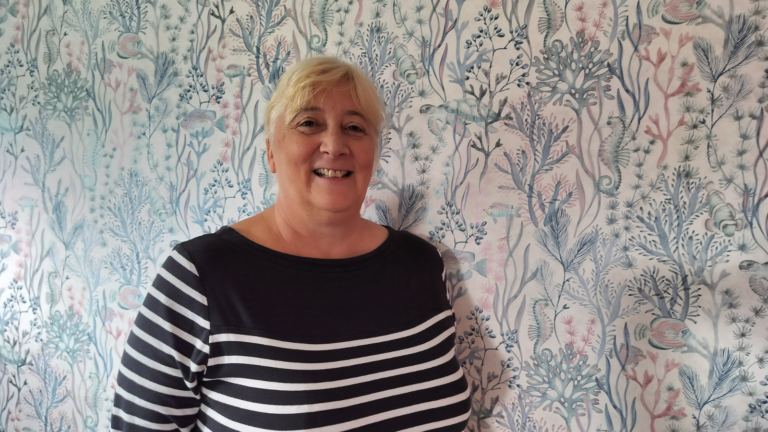
Karen now lives in Chepstow with her adult sons and is settling into the local community. She was delighted to plant flowers in the garden and choose wallpaper for her living room.
Reflecting on what having a social home means to her, she said: “It means everything. I can be myself and live without fear. It means feeling safe and making plans for the future.
“Sometimes, it’s the little things that matter. Being able to paint my wall pink! Gardening. Putting down roots. My life looks very much better now I have a social home.”
Karen said she never felt fully at home or part of the local community when she was renting privately, instead feeling: “This isn’t my home. This is someone else’s property and they’re letting me live here at an extortionate rent that I can’t really afford.”
Her friendly, local community, overlooking the River Wye and within walking distance of the railway station, is now made up of a mixture of social tenants and homeowners.
“We’re building a community here and it’s nice to fee part of that,” said Karen. “There’s no distinction, the houses are all the same – whether they’re social homes or owner occupied.”
She also values the long-term security for her sons, adding: “If anything happens to me, I don’t have to worry about them being made homeless.
Read more: ‘There’s an imbalance of power’ – Private rents have risen by 8.7% across Wales in the last year
“Now I feel so much more secure, I can actually make plans for the future I wouldn’t have been able to consider before. I’ve always wanted to be a foster carer. I’m really excited about that – it’s another way of me giving back.”
Karen would like to see more social homes being built, but believes there’s still “stigma” around being a social tenant, which needs to be addressed.
“There’s still a lot of stigma around the ‘type pf people’ who live in social homes,” she said. “It’s nothing to be ashamed of. You can be proud of your home. You don’t have to carry on struggling.”
Figures from Shelter Cymru show more than 94,000 households are currently waiting for a social home in Wales, which is equivalent to one in every 14 households.
Head of Campaigns Robin White said: “Any possible solution to the housing emergency must include a significant increase in the number of social homes in Wales.
“They’re affordable by design, with rents linked to local incomes, not out-of-control housing markets, and they offer stability by providing people with secure, lifetime tenancies from a landlord who isn’t looking to make a profit.”
He added: “But for decades, successive governments have failed to build. If we carry on at the rate we’re going, it would take more than 35 years to provide a home to everyone who’s waiting.
“The Welsh Government has made progress and we’re seeing record investment in building social homes, but it’s not enough. We can’t ask people to wait for a generation to get the homes they need now.”
Read Shelter Cymru’s manifesto to rebuild Wales’ broken housing system and sign our pledge.
26 November 2025
By Liz Day