It’s well accepted that tackling the housing emergency is a moral necessity, but new polling from Shelter Cymru and YouGov shows that people in Wales also see it as a key political issue as well – and something that might well impact how they vote at the next Senedd election.
This polling – conducted in August 2025 – sees housing rank as a top-three policy issue for the public, with 23% of people rating it as one of the three most important issues ahead of the 2026 Senedd election. This was tied with education, and behind the economy (56%) and health (63%). And those who back Reform or Plaid Cymru were slightly more likely to rank housing as a key issue, with 26% of people intending to support those parties selecting it as a top-three issue.
It’s no secret that in 2026 Wales is facing a consequential Senedd election. And it’s also no secret that right now there isn’t a clear answer to which political party is most likely to form the next Welsh Government. However, one thing that this polling does make clear is the important role housing might play over the course of the next nine months.
To anyone familiar with the challenges people are facing right now this should come as no surprise. After all, this is an emergency that sees more than 10,000 people homeless and trapped in temporary accommodation, more than 170,000 people stuck on waiting lists for a social home, and hundreds of thousands left reliant on a private rented sector that simply isn’t fit for purpose.
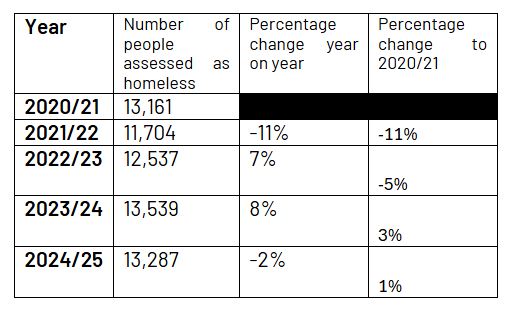
Recently published homelessness statistics further emphasise this, with 13,287 people accepted as homeless in 2024/25. Almost identical to the numbers seen in 2020/21, showing that despite significant efforts by the Welsh Government the number of people facing homelessness remains stubbornly stuck at near record levels.
Digging into the detail of these polling results we can also see just how important housing is among groups that are more likely to be suffering these negative impacts. For example, people who rent their homes from a private landlord are significantly more likely to see housing as a key issue than those who own their own home.
In fact, 44% of private renters see housing as one of the three most important issues facing Wales, only slightly lower than the figure for the economy (48%) and well above the fourth most important issue (transport at 23%).
Taken all together these different numbers begin to tell us something very simple: that the inclusion of a strong plan to end the housing emergency should be a central part of party manifestos in the coming months.
Fortunately, through both our polling and our recently published manifesto for the 2026 election Shelter Cymru has some helpful pointers:
- The most popular solution to ending the housing emergency in Wales was building more social/council homes for social rent, with 37% of people ranking it as one of the three most important policy measures needed.
- Introducing measures to limit increases in rents is also popular, and something that is perhaps unsurprising given Wales has seen the fastest rising rents in Britain over the past year.
- Further support for people facing homelessness is clearly important, with 29% of the public seeing it as one of the top policy issues to focus on. For politicians this might well mean that implementation of new homelessness legislation (something we hope to pass into law this Senedd term) could be a sensible priority in the early years of the next government.
- Legislating to give everyone in Wales a right to an adequate home would provide the drive and impetus for transformative change. Something that is clearly needed.
Of course, this isn’t an exhaustive list of possible policy priorities, but for political parties looking to develop a manifesto that delivers the change we need they offer a sensible place to start.
—
Mynd i’r afael â’r argyfwng tai yn fater allweddol i’r cyhoedd
Mae’n cael ei dderbyn yn gyffredinol bod mynd i’r afael â’r argyfwng tai yn angenrheidrwydd moesol, ond mae pôl piniwn newydd gan Shelter Cymru a YouGov yn dangos bod pobl yng Nghymru hefyd yn ei weld fel mater gwleidyddol allweddol – a rhywbeth a allai effeithio ar sut maen nhw’n pleidleisio yn etholiad nesaf y Senedd.
Mae’r pôl hwn – a gynhaliwyd ym mis Awst 2025 – yn gweld tai fel un o’r tri phrif fater polisi i’r cyhoedd, gyda 23% o bobl yn ei osod fel un o’r tri phrif fater cyn etholiad nesaf y Senedd yn 2026. Roedd hyn yn gyfartal ag addysg, ac y tu ôl i’r economi (56%) ac iechyd (63%). Ac roedd y rhai sy’n cefnogi Reform neu Blaid Cymru ychydig yn fwy tebygol o raddio tai fel mater allweddol, gyda 26% o bobl yn bwriadu cefnogi’r pleidiau hynny yn ei ddewis fel un o’r tri phrif fater.
Nid yw’n gyfrinach bod Cymru yn wynebu Etholiad Senedd o bwys yn 2026. Ac nid yw’n gyfrinach chwaith nad oes ateb clir ar hyn o bryd pa blaid wleidyddol sydd fwyaf tebygol o ffurfio Llywodraeth nesaf Cymru. Fodd bynnag, un peth y mae’r arolwg barn hwn yn ei wneud yn glir yw’r rôl bwysig y gallai tai ei chwarae dros y 9 mis nesaf.
I unrhyw un sy’n gyfarwydd â’r heriau y mae pobl yn eu hwynebu ar hyn o bryd, ni ddylai hyn fod yn syndod. Wedi’r cyfan, mae hwn yn argyfwng sy’n gweld mwy na 10,000 o bobl yn ddigartref ac yn gaeth mewn llety dros dro, mwy na 170,000 o bobl yn dal ar restrau aros am gartref cymdeithasol, a channoedd o filoedd yn ddibynnol ar sector rhentu preifat nad yw’n addas at y diben.
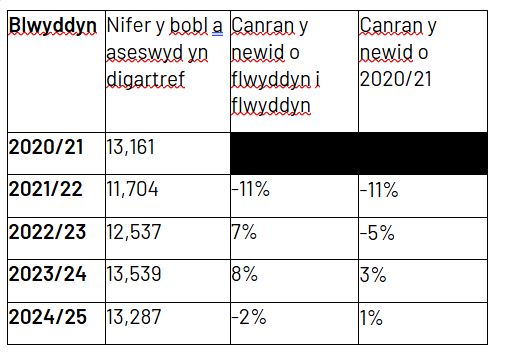
Mae ystadegau digartrefedd a gyhoeddwyd yn ddiweddar yn pwysleisio hyn ymhellach, gyda 13,287 o bobl wedi’u derbyn fel digartref yn 2024/25. Bron yn union yr un fath â’r niferoedd a welwyd yn 2020/21, gan ddangos, er gwaethaf ymdrechion sylweddol gan Lywodraeth Cymru, fod nifer y bobl sy’n wynebu digartrefedd yn parhau i fod parhau yn ystyfnig ar lefelau bron yn record.
Wrth ymchwilio i fanylion y canlyniadau’r pôl piniwn hwn, gallwn hefyd weld pa mor bwysig yw tai ymhlith grwpiau sy’n fwy tebygol o ddioddef yr effeithiau negyddol hyn. Er enghraifft, mae pobl sy’n rhentu eu cartrefi gan landlord preifat yn sylweddol mwy tebygol o weld tai fel mater allweddol na’r rhai sy’n berchen ar eu cartref eu hunain.
Mewn gwirionedd, mae 44% o rentwyr preifat yn gweld tai fel un o’r tri mater pwysicaf sy’n wynebu Cymru, dim ond ychydig yn is na’r ffigur ar gyfer yr economi (48%) ac ymhell uwchlaw’r pedwerydd mater pwysicaf (trafnidiaeth ar 23%).
Gyda’i gilydd, mae’r niferoedd gwahanol hyn yn dechrau dweud rhywbeth syml iawn wrthym: bod yn rhaid i bob plaid gynnwys cynllun cryf i ddod â’r argyfwng tai i ben yn ganolog yn eu maniffesto dros y misoedd nesaf.
Yn ffodus, drwy ein pôl piniwn a’n maniffesto a gyhoeddwyd yn ddiweddar ar gyfer etholiad 2026, mae gan Shelter Cymru rai awgrymiadau defnyddiol:
- Yr ateb mwyaf poblogaidd i ddod â’r argyfwng tai i ben yng Nghymru oedd adeiladu mwy o dai cymdeithasol/cyngor ar gyfer rhent cymdeithasol, gyda 37% o bobl yn ei raddio fel un o’r tri mesur polisi pwysicaf sydd eu hangen.
- Mae cyflwyno mesurau i gyfyngu ar gynnydd mewn rhenti hefyd yn boblogaidd, ac efallai nad yw’n syndod o ystyried bod Cymru wedi gweld y rhenti sy’n codi gyflymaf ym Mhrydain dros y flwyddyn ddiwethaf.
- Mae cefnogaeth bellach i bobl sy’n wynebu digartrefedd yn amlwg yn bwysig, gyda 29% o’r cyhoedd yn ei weld fel un o’r prif faterion polisi i ganolbwyntio arno. I wleidyddion, gallai hyn olygu y gallai gweithredu deddfwriaeth digartrefedd newydd (rhywbeth yr ydym yn gobeithio ei basio’n gyfraith yn ystod tymor y Senedd hwn) fod yn flaenoriaeth synhwyrol ym mlynyddoedd cynnar y llywodraeth nesaf.
- Byddai deddfu i roi hawl i gartref digonol i bawb yng Nghymru yn darparu’r ysgogiad a’r symbyliad ar gyfer trawsnewid. Rhywbeth sydd ei angen yn amlwg.
Wrth gwrs, nid rhestr gynhwysfawr o flaenoriaethau polisi posibl yw hon, ond i bleidiau gwleidyddol sy’n awyddus i ddatblygu maniffesto sy’n cyflawni’r newid sydd ei angen arnom, maent yn cynnig man cychwyn synhwyrol.
9 October 2025
By Robin White